Exploring the realm of top telehealth platforms for global patients opens up a world of possibilities and advancements in healthcare accessibility. From innovative features to tailored services, these platforms offer a glimpse into the future of virtual healthcare for individuals worldwide.
As we delve deeper into the nuances of teleconsultation services, virtual care options, and payment methods, the landscape of global healthcare provision unfolds with exciting prospects and challenges to consider.
Top telehealth platforms for global patients
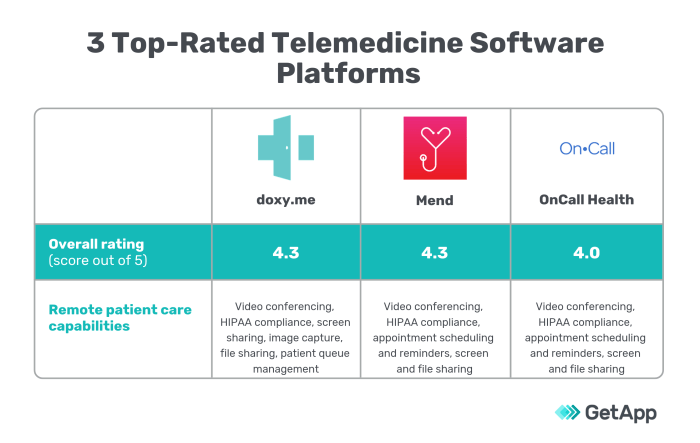
Telehealth platforms play a crucial role in providing healthcare services to patients worldwide, especially in the current digital age. These platforms offer a wide range of features and services that make them suitable for global patients, ensuring access to quality healthcare regardless of geographical barriers.
Let's explore the key features that make telehealth platforms ideal for global patients.
Key Features of Telehealth Platforms for Global Patients
- Remote Consultations: Telehealth platforms allow patients to consult with healthcare providers from anywhere in the world, eliminating the need for physical visits.
- Multilingual Support: Many telehealth platforms offer multilingual support to cater to patients from diverse linguistic backgrounds, ensuring effective communication and understanding.
- 24/7 Accessibility: These platforms provide round-the-clock access to healthcare services, making it convenient for patients in different time zones to seek medical assistance.
- Secure Data Transmission: Telehealth platforms prioritize the security and confidentiality of patient information, ensuring safe transmission of data during consultations.
Examples of Telehealth Platforms with Global Presence
- Teladoc Health:Teladoc Health is a leading telehealth platform that offers services to patients worldwide, connecting them with licensed healthcare professionals for virtual consultations.
- Doctor on Demand:Doctor on Demand is another popular telehealth platform that provides access to healthcare services for global patients through video visits with board-certified physicians.
Multilingual Support in Telehealth Platforms
Telehealth platforms recognize the importance of multilingual support in addressing the needs of global patients. By offering services in multiple languages, these platforms ensure effective communication and enhance the overall patient experience, regardless of linguistic differences.
Accessibility of Telehealth Platforms Worldwide
- Telehealth platforms vary in terms of accessibility worldwide, with some platforms having a more extensive reach and availability in different countries compared to others.
- Factors such as regulatory approvals, partnerships with local healthcare providers, and technological infrastructure influence the accessibility of telehealth platforms for patients globally.
Teleconsultation services offered
Teleconsultation services on these platforms cater to the needs of global patients by offering a range of specialties and convenient scheduling options.
Types of teleconsultation services
- Video consultations with healthcare providers
- Phone consultations for quick medical advice
- Chat consultations for non-urgent queries
- Second opinion consultations for complex cases
International patient customization
Teleconsultation services are tailored for global patients by providing language support, cultural sensitivity, and access to specialists familiar with international healthcare systems.
Scheduling teleconsultation appointments
- Register an account on the platform
- Select a healthcare provider based on specialty or language preference
- Choose a convenient date and time for the appointment
- Confirm the appointment and make payment if required
Specialties covered by teleconsultation services
- General medicine and primary care
- Specialist consultations in cardiology, dermatology, neurology, etc.
- Mental health services such as therapy and counseling
- Remote monitoring for chronic conditions
Virtual care and remote monitoring
Telehealth platforms offer a variety of virtual care options to cater to the needs of global patients. These services include remote consultations, virtual check-ups, and telemonitoring of chronic conditions. Virtual care allows patients to connect with healthcare providers from anywhere in the world, ensuring timely access to medical advice and treatment.
Effectiveness of remote monitoring services
Remote monitoring services provided by telehealth platforms have proven to be highly effective for global patients. By utilizing wearable devices and smart technology, healthcare providers can track patients' vital signs, symptoms, and progress in real time. This enables early detection of health issues, personalized interventions, and improved patient outcomes.
Comparison of technologies used for remote monitoring
Different telehealth platforms utilize various technologies for remote monitoring, such as wearable devices, mobile apps, and cloud-based platforms. Some platforms integrate artificial intelligence and machine learning algorithms to analyze patient data and provide predictive insights. The use of secure communication channels and data encryption ensures the privacy and security of patient information.
Success stories related to virtual care and remote monitoring
Many global patients have benefited from virtual care and remote monitoring services offered by telehealth platforms. For example, a patient with diabetes managed to control their blood sugar levels effectively through remote monitoring of their glucose readings. Another success story involves a patient with hypertension achieving better blood pressure control with the help of regular virtual consultations and medication adjustments.
Payment options and insurance coverage
When it comes to telehealth platforms for global patients, understanding the payment options and insurance coverage available is crucial. Let's dive into how these platforms handle financial aspects for international users.
Payment options
- Most telehealth platforms offer a variety of payment methods such as credit/debit cards, PayPal, and even direct bank transfers.
- Some platforms may also accept payment through mobile wallets or other digital payment solutions popular in specific regions.
- It's essential to check the accepted payment methods on the platform before scheduling a consultation to ensure a smooth transaction process.
Insurance coverage integration
- Many telehealth platforms work with insurance providers to offer coverage for virtual consultations and remote monitoring services.
- Patients can often input their insurance information when setting up their account to determine coverage eligibility for teleconsultations.
- Some platforms may directly bill insurance companies for covered services, while others may require patients to pay upfront and seek reimbursement from their insurance provider.
Challenges and limitations
- One common challenge for international patients is the lack of insurance coverage for telehealth services in their home country, leading to out-of-pocket expenses.
- Navigating different currencies and exchange rates can also pose challenges when making payments on telehealth platforms.
- Limited availability of insurance plans that cover telehealth services internationally can restrict access for some patients.
Tips for navigating payment and insurance processes
- Ensure you have a clear understanding of the payment options available on the telehealth platform before booking a consultation.
- Verify your insurance coverage for telehealth services and understand the reimbursement process if you need to pay upfront.
- If you encounter any issues with payment or insurance, don't hesitate to reach out to the platform's customer support for assistance.
Last Word
In conclusion, the landscape of telehealth platforms for global patients is continuously evolving, catering to diverse needs and preferences across borders. With a focus on innovation and inclusivity, these platforms pave the way for a more connected and accessible healthcare experience for individuals around the world.
FAQ Explained
How do telehealth platforms cater to multilingual support for global patients?
Telehealth platforms often offer language options and interpreters to ensure effective communication between healthcare providers and patients from different linguistic backgrounds.
What types of teleconsultation services are available on these platforms?
Teleconsultation services can range from general medical consultations to specialized services like mental health counseling, dermatology consultations, and second opinions from experts.
Are there any challenges faced by international patients regarding payment and insurance on telehealth platforms?
Some challenges include navigating different payment methods, understanding insurance coverage across borders, and ensuring secure transactions while using telehealth services as a global patient.