Delving into the realm of Automotive PCB Design, Altium Auto Route plays a crucial role in streamlining the design process. Let's explore how this innovative technology seamlessly integrates into automotive design processes and optimizes PCB layouts for efficiency and performance.
Introduction to Altium Auto Route in Automotive PCB Design
Altium Auto Route is a powerful feature within the Altium Designer software that automates the process of routing connections on a printed circuit board (PCB). It plays a crucial role in PCB design by optimizing the layout of traces, vias, and components to ensure efficient signal integrity and functionality.
Importance of Altium Auto Route in Automotive PCB Design
Automotive PCBs require high levels of reliability, performance, and efficiency due to the demanding nature of automotive applications. Altium Auto Route helps in achieving these requirements by streamlining the routing process, reducing design time, and minimizing the risk of errors.
- Automotive PCBs often have complex layouts with multiple layers and high-speed signal requirements. Altium Auto Route intelligently navigates through these complexities to create optimized routing solutions.
- By automating the routing process, Altium Auto Route allows designers to focus on other critical aspects of the design, such as component placement, thermal management, and signal integrity analysis.
- Efficient routing is essential in automotive PCB design to minimize signal interference, reduce electromagnetic emissions, and ensure compliance with industry standards and regulations.
Integration of Altium Auto Route into Automotive Design Processes
Altium Auto Route seamlessly integrates into automotive design processes, providing a user-friendly interface and advanced routing algorithms tailored for automotive applications.
With features like interactive routing, differential pair routing, length matching, and signal integrity analysis, Altium Auto Route enhances the overall design workflow and helps designers achieve optimal PCB layouts for automotive electronics.
Key Features of Altium Auto Route for Automotive PCB Design
Altium Auto Route offers a range of key features that are specifically tailored to meet the needs of automotive PCB design, providing efficiency and accuracy in routing processes.
Efficiency and Accuracy
- Altium Auto Route automates the routing process, saving time and reducing the likelihood of errors compared to manual routing.
- It ensures consistent routing standards across the PCB design, improving overall design quality and reliability.
- The software optimizes routing paths based on design rules and constraints, enhancing signal integrity and minimizing interference.
Interactive Routing Capabilities
- Users can interactively guide the routing process, making adjustments and modifications as needed for specific automotive design requirements.
- Altium Auto Route offers advanced routing options such as differential pair routing, length matching, and impedance control, crucial for automotive applications.
Flexibility and Customization
- The software allows for customization of routing strategies to accommodate complex automotive PCB layouts and constraints.
- Users can define routing priorities, constraints, and requirements, ensuring that the final design meets automotive industry standards and specifications.
Integration with Other Design Tools
- Altium Auto Route seamlessly integrates with other Altium Designer tools and features, providing a comprehensive design environment for automotive PCB projects.
- Users can easily transfer design data between different modules, streamlining the overall design process and collaboration among team members.
Best Practices for Integrating Altium Auto Route in Automotive PCB Design
When it comes to integrating Altium Auto Route into automotive PCB design, there are several best practices that can help streamline the process and optimize the results. By following these guidelines, engineers can effectively leverage the capabilities of Auto Route to achieve their design goals efficiently.
Setting Up Altium Auto Route for Automotive PCB Projects
- Start by defining design rules and constraints before running the Auto Route tool. This will ensure that the routing meets the necessary criteria for the automotive PCB project.
- Utilize the interactive routing feature in Altium to manually route critical connections before running the Auto Route tool. This can help guide the automated routing process and ensure key signals are properly routed.
- Consider grouping components based on their functions or signal paths to optimize the routing process. This can help reduce signal interference and improve overall signal integrity.
Optimizing the Auto Route Process for Efficient Design
- Experiment with different routing strategies and configurations to find the most efficient routing solution for the automotive PCB design. This may involve adjusting routing priorities, trace widths, or via placements.
- Regularly review and optimize design rules to ensure that the Auto Route tool is working within the specified constraints. This can help prevent routing errors and ensure that the final design meets performance requirements.
- Utilize the Auto Route tuning features in Altium to fine-tune the routing results and improve signal integrity. This can help achieve optimal routing outcomes for automotive applications.
Overcoming Common Challenges When Using Altium Auto Route
- Address signal integrity issues early in the design process to prevent routing problems later on. Consider using signal simulation tools to analyze signal integrity and make necessary adjustments before running the Auto Route tool.
- Keep an eye on design constraints and routing priorities to ensure that critical signals are properly routed. Regularly check the routing results and make manual adjustments as needed to meet design requirements.
- Collaborate with other team members or engineers to review the routing results and identify any potential issues or improvements. This can help optimize the design and ensure a successful outcome for the automotive PCB project.
Case Studies: Successful Implementation of Altium Auto Route in Automotive Design
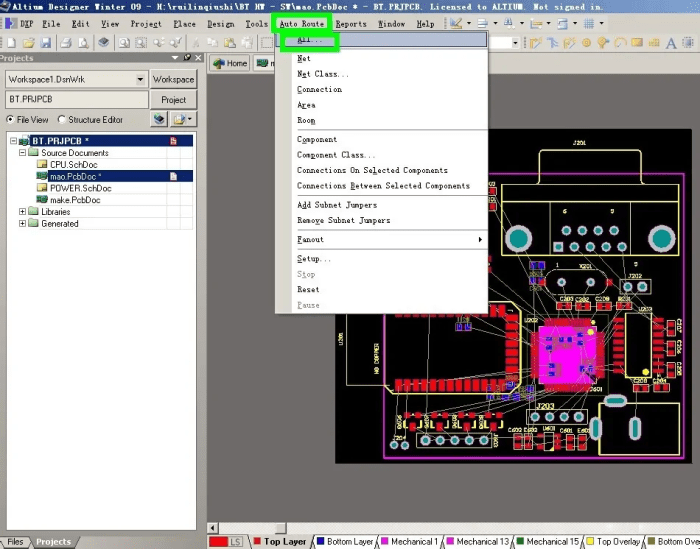
Implementing Altium Auto Route in automotive PCB design has proven to be highly beneficial in various real-world projects. Let's explore some case studies where Altium Auto Route played a crucial role in achieving success.
Case Study 1: Engine Control Unit (ECU) Design
For a leading automotive manufacturer, the design of the Engine Control Unit (ECU) was a critical project. By utilizing Altium Auto Route, the design team was able to efficiently route complex connections and optimize signal integrity. This resulted in improved performance and reliability of the ECU, meeting the stringent requirements of the automotive industry.
Case Study 2: Advanced Driver Assistance System (ADAS) PCB
In another case, a company developing an Advanced Driver Assistance System (ADAS) relied on Altium Auto Route to streamline the PCB design process. The intelligent routing capabilities of Altium Auto Route helped in reducing signal interference and achieving faster signal transmission, ultimately enhancing the overall functionality of the ADAS system.
Case Study 3: Battery Management System (BMS) Integration
A startup specializing in electric vehicle technology faced challenges in designing a Battery Management System (BMS) for their new EV model. Altium Auto Route proved to be a game-changer by automating the routing process and ensuring optimal power distribution across the PCB.
This not only saved valuable time but also reduced design iterations, leading to cost savings in the project.
Last Point
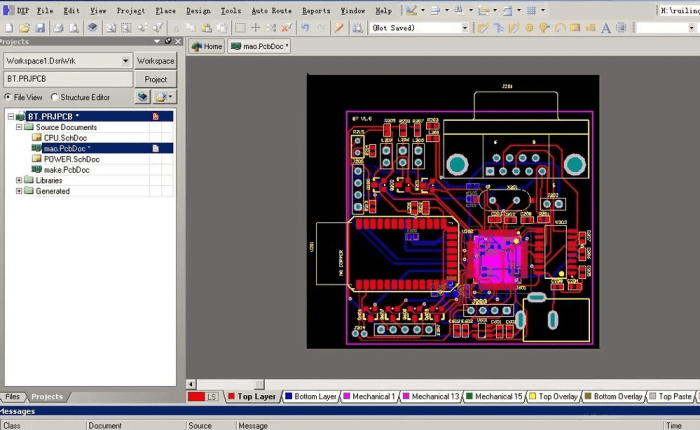
In conclusion, Altium Auto Route proves to be a game-changer in the realm of automotive PCB design, offering a seamless integration process and efficient optimization of layouts. As technology continues to evolve, Altium Auto Route stands at the forefront of innovation in automotive electronics.
Commonly Asked Questions
How does Altium Auto Route enhance automotive PCB layouts?
Altium Auto Route optimizes automotive PCB layouts by automating the routing process, ensuring efficient and reliable designs.
Can Altium Auto Route address specific design challenges in automotive applications?
Absolutely! Altium Auto Route can tackle challenges like signal integrity, EMI/EMC issues, and thermal management in automotive PCB design.
What are the key features of Altium Auto Route relevant to automotive PCB design?
Key features include advanced routing algorithms, interactive routing capabilities, and the ability to customize routing preferences for automotive applications.