Exploring the landscape of digital health trends transforming Asia in 2025, this introduction sets the stage for a captivating journey into the evolution of healthcare in the region. Dive into a world where technology and innovation converge to revolutionize the way we approach health and wellness.
As we delve deeper, we uncover the current state of digital health adoption, the impact of emerging technologies, the role of telemedicine, and the importance of data privacy and security in shaping the future of healthcare in Asia.
Digital Health Adoption in Asia
The current state of digital health adoption in Asia shows a growing trend towards the integration of technology in healthcare systems. Countries in the region are increasingly leveraging digital health solutions to improve patient care, streamline processes, and enhance overall healthcare outcomes.
Key Factors Driving Adoption of Digital Health Technologies
- Rapid technological advancements: Asia is a hub for innovation, with countries like China, Japan, and South Korea leading the way in developing cutting-edge digital health technologies.
- Increasing internet and smartphone penetration: The widespread availability of internet connectivity and smartphones has made it easier for individuals to access digital health services.
- Growing demand for quality healthcare: As populations in Asia continue to rise, there is a growing need for efficient and effective healthcare solutions, driving the adoption of digital health technologies.
- Government support and initiatives: Many governments in Asia are actively promoting the adoption of digital health solutions through policies, funding, and regulatory frameworks.
Challenges Hindering Widespread Adoption of Digital Health Solutions
- Privacy and security concerns: The sensitive nature of health data raises concerns about data privacy and security, hindering the adoption of digital health solutions.
- Infrastructure limitations: Some regions in Asia may lack the necessary infrastructure, such as reliable internet connectivity or advanced healthcare facilities, to support the widespread adoption of digital health technologies.
- Resistance to change: Healthcare professionals and patients may be resistant to adopting new technologies due to a lack of awareness, training, or perceived complexities.
- Regulatory challenges: Inconsistent regulations across different countries in Asia can create barriers to the adoption of digital health solutions, requiring harmonization for seamless integration.
Emerging Technologies in Digital Healthcare
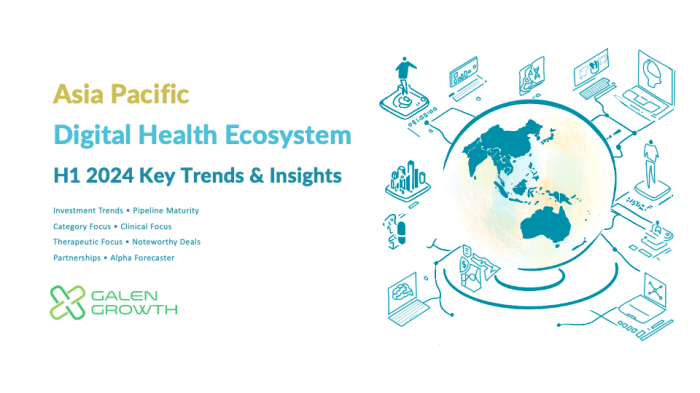
In recent years, Asia has seen a rapid evolution in digital health technologies, revolutionizing the healthcare landscape across the region. These innovative technologies are reshaping the way healthcare is delivered and managed, offering new opportunities for improved patient outcomes and operational efficiency.
Artificial Intelligence (AI) in Digital Healthcare
AI is playing a crucial role in transforming digital healthcare in Asia. From predictive analytics to personalized medicine, AI-powered solutions are enhancing diagnostic accuracy, optimizing treatment plans, and revolutionizing patient care. For example, AI-driven chatbots are being used for remote patient monitoring and virtual consultations, providing real-time support and guidance to individuals seeking medical advice.
Internet of Things (IoT) in Digital Healthcare
IoT devices are increasingly being integrated into healthcare systems in Asia, allowing for seamless data collection and analysis. Wearable devices, such as smartwatches and fitness trackers, are enabling continuous health monitoring and early detection of health issues. These devices are not only empowering individuals to take control of their health but also providing healthcare providers with valuable insights for proactive interventions.
Blockchain Technology in Digital Healthcare
Blockchain technology is revolutionizing data security and interoperability in the healthcare sector in Asia. By ensuring secure and transparent data sharing, blockchain is enhancing patient privacy and streamlining healthcare operations. For instance, blockchain-based electronic health records are enabling secure data exchange between healthcare providers, ensuring continuity of care and reducing medical errors.Overall, the convergence of AI, IoT, and blockchain technologies is driving significant advancements in digital healthcare across Asia, revolutionizing the way healthcare is delivered, accessed, and managed.
These technologies are not only improving patient outcomes but also enhancing operational efficiency and driving innovation in the healthcare industry.
Telemedicine and Remote Patient Monitoring

Telemedicine plays a crucial role in transforming healthcare delivery in Asia by leveraging digital technologies to provide medical consultations, diagnosis, and treatment remotely. This innovative approach has the potential to improve access to healthcare services, especially in rural and underserved areas.
Benefits of Remote Patient Monitoring
- Allows for continuous monitoring of patients' health status outside of traditional healthcare settings.
- Enables early detection of health issues and timely intervention, reducing the risk of complications.
- Improves patient engagement and adherence to treatment plans through personalized care and regular feedback.
- Enhances efficiency in healthcare delivery by reducing unnecessary hospital visits and optimizing resource allocation.
Implications for Patients and Healthcare Providers
- Patients can receive quality care from the comfort of their homes, leading to increased convenience and reduced travel costs.
- Healthcare providers can extend their reach to a larger patient population, enabling better management of chronic conditions and post-operative care.
- Enhanced data collection and analysis through remote monitoring help in making informed clinical decisions and tailoring treatment plans for individual patients.
Challenges and Opportunities in Telehealth Services
- Challenges include ensuring data security and patient privacy, as well as addressing regulatory barriers that vary across different countries in Asia.
- Opportunities lie in the scalability of telehealth services, fostering collaborations between healthcare providers and technology companies, and integrating telemedicine into existing healthcare systems.
- Training healthcare professionals in telemedicine practices and promoting digital literacy among patients are essential for the successful implementation and adoption of telehealth services in the region.
Data Privacy and Security in Digital Health
Data privacy and security are paramount in digital healthcare systems to ensure the protection of sensitive patient information and maintain trust in the healthcare system.
Importance of Data Privacy and Security
- Protecting patient data from unauthorized access or breaches is crucial to maintain confidentiality and trust in healthcare services.
- Ensuring data security helps in preventing identity theft, fraud, and misuse of personal health information.
- Compliance with data privacy regulations enhances the overall quality of healthcare services and fosters patient-provider relationships.
Measures for Protecting Patient Data
- Implementing encryption techniques to secure data transmission and storage.
- Using multi-factor authentication to control access to sensitive information.
- Regular security audits and updates to identify and address vulnerabilities in digital health platforms.
Regulatory Landscape in Asia
- Many countries in Asia have introduced data protection laws and regulations specific to healthcare data, such as the Personal Data Protection Act in Singapore.
- Regulatory bodies enforce strict guidelines on data handling, storage, and sharing to ensure compliance with privacy standards.
- Collaboration between governments, healthcare providers, and technology companies is essential to establish a robust framework for data privacy and security in the digital health sector.
End of Discussion
In conclusion, the digital health trends transforming Asia in 2025 paint a picture of a dynamic and interconnected healthcare ecosystem. With advancements in technology paving the way for improved patient care and outcomes, the future of healthcare in Asia is indeed promising and full of possibilities.
Question & Answer Hub
What are the key factors driving digital health adoption in Asia?
The key factors include increasing smartphone penetration, rising healthcare costs, and the need for convenient access to healthcare services.
How do AI, IoT, and blockchain impact digital healthcare in Asia?
AI enhances diagnostics and personalized treatment, IoT enables remote monitoring and data collection, and blockchain ensures secure health data management.
What are the benefits of remote patient monitoring in telemedicine?
Remote patient monitoring allows for continuous tracking of health metrics, early detection of issues, and reduced hospital visits for patients.
How is data privacy regulated in digital health platforms in Asia?
Data privacy in digital health platforms is regulated through laws and guidelines that govern the collection, storage, and sharing of patient information to ensure confidentiality and security.