Exploring effective strategies for managing chronic stress, this introduction sets the stage for a detailed discussion on how to combat this prevalent issue. From understanding the impact of chronic stress to practical lifestyle changes and stress management techniques, this guide offers valuable insights for improving mental and physical well-being.
As we delve deeper into the different aspects of chronic stress management, readers will gain a deeper understanding of how to tackle this pervasive problem in today's fast-paced world.
Understanding Chronic Stress
Chronic stress is a prolonged state of psychological and physiological tension that can have detrimental effects on both mental and physical health. Unlike acute stress, which is short-term and typically caused by a specific event, chronic stress persists over a longer period and is often related to ongoing situations or conditions.
Impact on Mental and Physical Health
Chronic stress can lead to a variety of mental health issues such as anxiety, depression, and burnout. It can also contribute to physical health problems like heart disease, high blood pressure, and weakened immune function. The constant activation of the body's stress response can have serious long-term consequences if not properly managed.
Examples of Common Sources of Chronic Stress
- Work-related stress: High job demands, long hours, and interpersonal conflicts in the workplace can all contribute to chronic stress.
- Financial stress: Dealing with debt, financial instability, or the pressure to meet financial obligations can be a significant source of chronic stress.
- Relationship issues: Strained relationships with family members, friends, or romantic partners can create ongoing stress and tension.
- Chronic health conditions: Managing a long-term illness or disability can be emotionally and physically taxing, leading to chronic stress.
Recognizing Symptoms
Chronic stress can have a variety of signs and symptoms that may manifest differently in individuals. It is crucial to be able to recognize these symptoms early on in order to effectively manage chronic stress and prevent further negative impacts on mental and physical health.Some common signs and symptoms of chronic stress include:
Physical Symptoms
- Headaches
- Muscle tension or pain
- Fatigue
- Insomnia or difficulty sleeping
Emotional Symptoms
- Anxiety
- Depression
- Irritability
- Feeling overwhelmed
Behavioral Symptoms
- Changes in appetite
- Increased use of alcohol or drugs
- Procrastination and neglect of responsibilities
- Isolating oneself from others
Early detection and intervention are vital in managing chronic stress effectively. By recognizing these symptoms and seeking help early on, individuals can implement strategies and interventions to prevent chronic stress from escalating and causing more serious health issues. It is important to prioritize self-care and seek support from healthcare professionals or mental health experts when needed.
Lifestyle Changes
Making certain lifestyle changes can greatly impact how we manage chronic stress. These changes include focusing on diet and nutrition, engaging in regular exercise, and improving sleep quality.
Role of Diet and Nutrition
- Eating a balanced diet rich in fruits, vegetables, whole grains, and lean proteins can help regulate stress levels.
- Include foods high in omega-3 fatty acids, such as salmon, walnuts, and flaxseeds, which have been shown to reduce anxiety and improve mood.
- Avoid excessive caffeine, sugar, and processed foods, as they can contribute to increased stress and anxiety levels.
Benefits of Regular Exercise
- Exercise releases endorphins, which are natural mood lifters, helping to reduce stress and anxiety.
- Physical activity can improve sleep quality, boost self-esteem, and increase overall sense of well-being.
- Engaging in activities like yoga, running, or dancing can be particularly effective in reducing stress levels.
Improving Sleep Quality
- Establish a consistent sleep schedule by going to bed and waking up at the same time every day.
- Create a relaxing bedtime routine to signal to your body that it's time to wind down.
- Avoid screens and stimulating activities before bed, and create a cool, dark, and quiet sleep environment.
Stress Management Techniques
Managing chronic stress requires a multifaceted approach that encompasses various techniques to help individuals cope and find relief. Here are some effective stress management strategies that can make a significant difference in reducing stress levels:
Mindfulness and Meditation Practices
- Practicing mindfulness involves being fully present in the moment and acknowledging thoughts and feelings without judgment. This can help individuals break free from negative thought patterns that contribute to stress.
- Meditation techniques, such as focused breathing or guided imagery, can promote relaxation and reduce anxiety. Regular meditation practice has been shown to lower stress hormones in the body.
- Benefits of mindfulness and meditation include improved focus, increased self-awareness, and enhanced emotional regulation, all of which are essential for managing chronic stress effectively.
Relaxation Techniques
- Deep breathing exercises involve taking slow, deep breaths to activate the body's relaxation response. This practice can help calm the mind and reduce tension in the body, leading to a sense of calmness and peace.
- Progressive muscle relaxation involves systematically tensing and relaxing different muscle groups to release physical tension. This technique can help individuals become more attuned to their body's stress response and learn to relax more deeply.
- Regular practice of relaxation techniques can help lower blood pressure, improve sleep quality, and enhance overall well-being, making them valuable tools in managing chronic stress.
Time Management and Prioritization Strategies
- Effective time management involves setting realistic goals, creating a schedule, and prioritizing tasks based on importance and urgency. This can help individuals feel more in control of their time and reduce feelings of overwhelm.
- Breaking tasks into smaller, manageable steps can prevent procrastination and increase productivity. By focusing on one task at a time and avoiding multitasking, individuals can reduce stress and improve concentration.
- Setting boundaries, learning to say no, and delegating tasks when necessary are essential skills for effective time management. By managing time wisely, individuals can create space for relaxation, self-care, and stress relief.
Social Support and Relationships
Building and maintaining social connections is crucial when it comes to managing chronic stress effectively. Having a strong support system can significantly impact your ability to cope with stressors in your life.
Importance of Healthy Relationships
- Healthy relationships provide emotional support, empathy, and understanding, which can help reduce feelings of isolation and loneliness often associated with chronic stress.
- Supportive relationships can boost self-esteem and confidence, making it easier to face challenges and navigate stressful situations.
- Interacting with others can offer new perspectives and insights, helping you gain a broader view of your problems and potential solutions.
Effective Communication and Boundary-Setting
- Open and honest communication is key to maintaining healthy relationships. Expressing your needs and feelings can prevent misunderstandings and reduce conflicts that may contribute to stress.
- Setting boundaries is essential to protect your mental and emotional well-being. Clearly defining what is acceptable and unacceptable in your relationships can help you avoid unnecessary stress and maintain a sense of control.
- Learn to say no when needed and prioritize self-care. Establishing boundaries and respecting your own limits can prevent burnout and overwhelm in your interactions with others.
Professional Help and Therapy
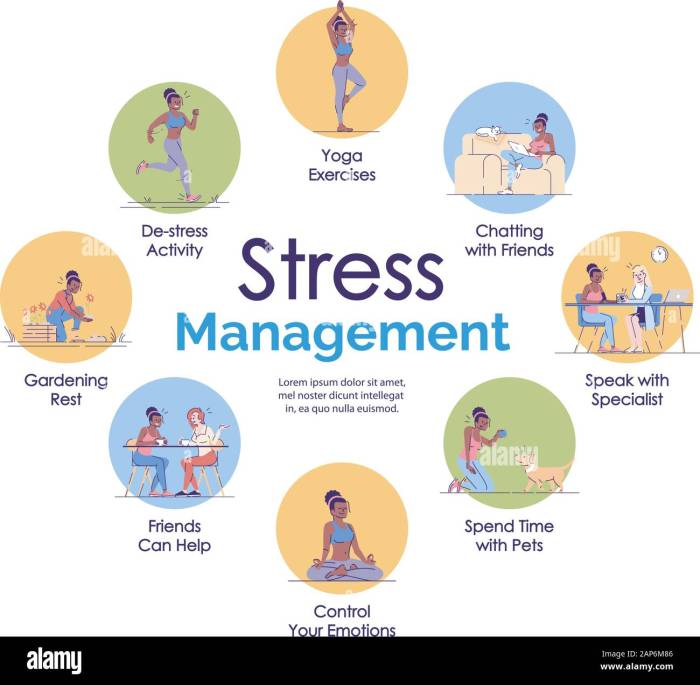
When dealing with chronic stress, seeking professional help and therapy can be a crucial step towards managing and overcoming the challenges you may be facing. Therapy and counseling play a significant role in providing individuals with the necessary tools, support, and guidance to address the root causes of stress and develop effective coping strategies.
Types of Therapy for Stress Management
There are various types of therapy that can be beneficial in managing chronic stress. Some common approaches include:
- Cognitive-Behavioral Therapy (CBT): CBT focuses on identifying and changing negative thought patterns and behaviors that contribute to stress. It helps individuals develop healthier coping mechanisms and problem-solving skills.
- Mindfulness-Based Therapy: Mindfulness techniques, such as meditation and deep breathing exercises, can help individuals cultivate awareness and acceptance of their thoughts and emotions, leading to reduced stress levels and improved overall well-being.
- Interpersonal Therapy: This type of therapy focuses on improving communication and relationship skills, which can be beneficial for individuals experiencing stress related to social interactions and personal relationships.
Seeking Help from Mental Health Professionals
If you are considering seeking help from a mental health professional for chronic stress, it's important to take the following steps:
- Start by talking to your primary care physician or a trusted healthcare provider to discuss your symptoms and concerns. They can provide referrals to qualified therapists or counselors.
- Research potential therapists or counseling services in your area and consider their areas of expertise, treatment approaches, and credentials.
- Reach out to mental health professionals to schedule an initial consultation or appointment. During this meeting, discuss your goals for therapy, ask any questions you may have, and assess whether you feel comfortable and supported by the therapist.
- Commit to attending therapy sessions regularly and actively participating in the treatment process. Be open and honest with your therapist about your experiences, emotions, and progress.
Closing Notes
In conclusion, navigating chronic stress can be challenging, but with the right tools and strategies in place, individuals can take control of their well-being and lead a more balanced life. By implementing the tips and techniques discussed in this guide, managing chronic stress can become a manageable task, ultimately leading to a healthier and happier lifestyle.
FAQs
How does chronic stress affect physical health?
Chronic stress can lead to various physical health issues such as high blood pressure, weakened immune system, and digestive problems.
What are some effective relaxation techniques for managing chronic stress?
Relaxation techniques like deep breathing, progressive muscle relaxation, and mindfulness practices can help alleviate chronic stress.
Is social support important in managing chronic stress?
Yes, having a strong social support system can significantly help in coping with chronic stress and improving overall well-being.
How can one effectively communicate in relationships to reduce stress?
Open and honest communication, setting boundaries, and active listening are key components of effective communication in relationships to reduce stress.