Starting off with Preventive Health Checkups: What You Need to Know, this introductory paragraph aims to grab the attention of the readers, providing a glimpse of the importance of regular health screenings and checkups for overall well-being.
Further elaborating on the significance of preventive health checkups and the benefits of early detection through various screenings and tests.
Importance of preventive health checkups

Regular preventive health checkups play a crucial role in maintaining overall well-being by detecting potential health issues before they escalate. These checkups help in early detection and prompt treatment, ultimately leading to better health outcomes and quality of life.
Common preventive health checkups by age group
- For children and adolescents: Regular pediatric checkups, vaccinations, vision and hearing tests, and dental checkups are essential to monitor growth and development.
- For adults: Annual physical exams, blood pressure screenings, cholesterol tests, diabetes screenings, and cancer screenings like mammograms and colonoscopies are recommended to prevent and detect diseases early.
- For seniors: Bone density tests, cognitive screenings, vision and hearing tests, and screenings for chronic conditions like heart disease and diabetes are crucial to maintain health and independence in older age.
Benefits of early detection through regular health screenings
Regular health screenings can help identify health issues in their early stages when they are more treatable. By detecting conditions like high blood pressure, diabetes, or cancer early on, individuals have a better chance of managing or curing the disease effectively.
Early detection also reduces the risk of complications and improves the prognosis for many health conditions.
Types of preventive health checkups
Regular preventive health checkups are crucial in maintaining overall well-being and catching potential health issues early. Here are some common types of preventive health checkups that individuals should consider:
General health checkups
- General health checkups typically include measurements of vital signs such as blood pressure, heart rate, and body mass index (BMI).
- Blood tests may be conducted to check cholesterol levels, blood sugar levels, and overall organ function.
- Physical examinations are also commonly performed to assess overall health and detect any abnormalities.
Cardiac health checkups
- Cardiac health checkups focus on assessing the health of the heart and circulatory system.
- Tests may include an electrocardiogram (EKG) to measure the heart's electrical activity, as well as an echocardiogram to evaluate the heart's structure and function.
- Blood tests for cardiac enzymes and lipid profile are often included to assess heart health.
Cancer screenings
- Cancer screenings involve tests or exams to detect cancer at an early stage when treatment is most effective.
- Common cancer screenings include mammograms for breast cancer, colonoscopies for colorectal cancer, and Pap smears for cervical cancer.
- Other screenings may include prostate-specific antigen (PSA) tests for prostate cancer and skin cancer screenings.
Diabetes checkups
- Diabetes checkups focus on monitoring blood sugar levels and assessing overall diabetes management.
- Tests may include fasting blood sugar tests, oral glucose tolerance tests, and A1C tests to evaluate long-term blood sugar control.
- Regular eye exams and foot exams are also important parts of diabetes checkups to detect complications early.
Frequency and timing of preventive health checkups
Regular preventive health checkups play a crucial role in maintaining overall well-being and catching any potential health issues early. The frequency and timing of these checkups are key factors in ensuring optimal health outcomes.
Guidelines for frequency of preventive health checkups
- Adults should undergo a comprehensive health checkup at least once a year. This includes measurements such as blood pressure, cholesterol levels, and blood sugar levels.
- Individuals with chronic conditions or a family history of certain diseases may need more frequent checkups as recommended by their healthcare provider.
Age, gender, and family history considerations
Regular preventive health checkups should be tailored based on factors such as age, gender, and family history.
- Age: Younger individuals may require fewer checkups compared to older adults who may need more frequent monitoring for age-related conditions.
- Gender: Men and women may have different health risks, with certain screenings like mammograms for women and prostate exams for men being essential based on gender-specific health concerns.
- Family history: Individuals with a family history of conditions like heart disease, diabetes, or cancer should undergo more frequent checkups to monitor and detect any early signs of these illnesses.
Importance of regularity in scheduling checkups
Regularity in scheduling preventive health checkups is crucial for several reasons:
- Early detection: Regular checkups can help identify health issues at an early stage when they are more treatable and manageable.
- Preventive measures: Checkups allow healthcare providers to recommend preventive measures such as vaccinations, lifestyle changes, or screenings to reduce the risk of developing certain diseases.
- Monitoring health trends: By scheduling regular checkups, individuals can track their health trends over time and make informed decisions about their well-being.
Preparation for preventive health checkups
Before going for a preventive health checkup, there are certain preparations that individuals need to make to ensure accurate results and a smooth experience. Here are some important things to keep in mind:
Fasting Requirements
- Some screenings may require fasting for a certain period of time before the test. This is commonly needed for tests like cholesterol and blood sugar levels.
- It is important to follow the fasting guidelines provided by your healthcare provider to avoid any interference with the test results.
- Make sure to drink plenty of water during the fasting period to stay hydrated.
Medication Guidelines
- Inform your healthcare provider about any medications you are currently taking, including prescription drugs, over-the-counter medications, supplements, and vitamins.
- Follow your healthcare provider's instructions on whether to continue or stop taking certain medications before the health checkup.
- Do not make any changes to your medication routine without consulting your healthcare provider.
Specific Clothing Recommendations
- Wear comfortable clothing that is easy to remove if needed for certain tests or screenings.
- Avoid wearing tight clothing that may interfere with blood pressure readings or other measurements.
- Some screenings may require specific clothing, such as shorts or a sleeveless shirt, so it is advisable to check with your healthcare provider beforehand.
Mental Preparation for Health Screening
- Try to stay calm and relaxed before the health checkup to ensure accurate results.
- Avoid any stressful activities or situations that may affect your blood pressure or heart rate.
- If you have any concerns or anxiety about the screening, do not hesitate to discuss them with your healthcare provider beforehand.
Cost and insurance coverage for preventive health checkups
Preventive health checkups can vary in cost depending on the type of tests and screenings involved. Some basic preventive services may be covered by insurance, while more advanced or specialized screenings may incur out-of-pocket expenses.
Types of preventive health checkups and associated costs
- Basic preventive health checkups, such as routine blood tests and blood pressure screenings, are often covered by insurance without additional costs to the individual.
- Specialized screenings, like genetic testing or advanced imaging studies, may require co-payments or may not be covered by insurance, leading to higher out-of-pocket expenses.
- Preventive services that are not deemed medically necessary by insurance providers may also result in full out-of-pocket costs for the individual.
Insurance coverage for preventive screenings and tests
- Many insurance plans, including Medicare and Medicaid, cover a range of preventive services as part of their benefits package.
- Insurance coverage for preventive screenings and tests may vary depending on the individual's specific plan, so it is essential to check with the insurance provider to understand what is covered.
- Some insurance plans may also require individuals to meet certain criteria or age requirements before covering specific preventive services.
Resources for individuals facing financial barriers
- For individuals facing financial barriers to accessing preventive health services, there are resources available to help cover the costs.
- Community health centers and clinics may offer low-cost or free preventive health services for those who are uninsured or underinsured.
- Government programs like the Affordable Care Act may provide subsidies or financial assistance to help individuals afford preventive screenings and tests.
Conclusion
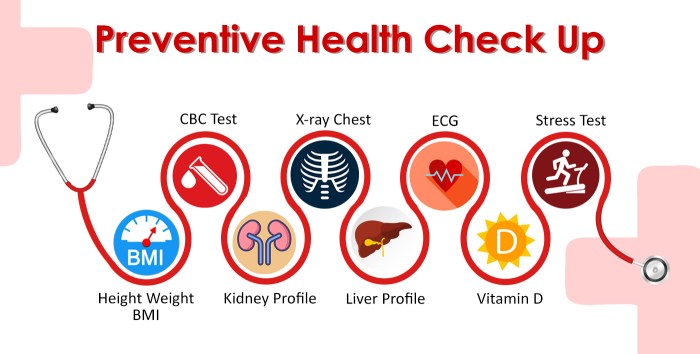
In conclusion, preventive health checkups play a crucial role in maintaining good health by detecting potential issues early on. By following recommended guidelines and scheduling regular screenings, individuals can take proactive steps towards a healthier future.
Popular Questions
How often should I undergo preventive health checkups?
It is generally recommended to have an annual checkup, but the frequency may vary based on age, gender, and family history.
What are some common preventive health checkups for different age groups?
For children, vaccinations and growth monitoring are crucial. Adults may need screenings like cholesterol tests, mammograms, and colonoscopies.
Are preventive health checkups covered by insurance?
Many insurance plans cover preventive screenings, but it's important to check with your provider to understand the extent of coverage.
How can I prepare for a preventive health checkup?
Preparing for a checkup involves fasting if required, following medication guidelines, and wearing comfortable clothing for tests.